
Pac-Man: A Cultural Icon, a Business Lesson 🎮🌍
Pac-Man is more than just a game. Discover how its history—from its name change to its inclusive design—serves as a case study in adaptation, leadership, and global success.
Hi!
If you’ve been following me for a while, you know I’m passionate about multiculturalism and how cultural sensitivity can be a superpower for business, technology, and innovation. In previous posts in this series, we saw how a mistake in this area can be very costly (hello, Mitsubishi Pajero!).
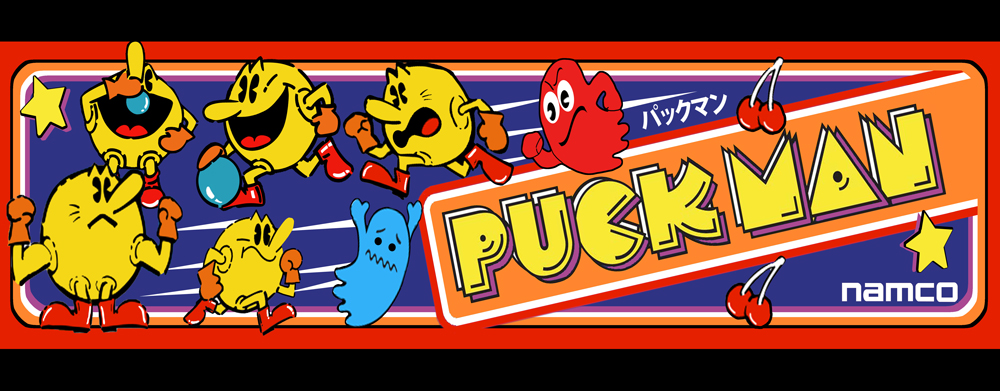 "Puck-Man" was the game’s original name, but it was changed to avoid misunderstandings in English-speaking markets.
Today, while reading this article about Pac-Man’s 45th anniversary, I started thinking: What happens when cultural adaptation is done brilliantly? Today we’re going to travel back in time to the 1980s to examine a video game icon that, without us even realizing it, taught us a great deal about this topic: Pac-Man.
This game, born in Japan, was no fluke. Behind its simple and addictive design lie profound lessons about the importance of adaptation, inclusion, and drawing on one’s own culture to connect with people around the world.
From “Puck-Man” to Pac-Man: A Change with Purpose
When Japanese creator Toru Iwatani conceived the game, he called it “Puck-Man,” a reference to the Japanese onomatopoeia “paku paku taberu,” which means “to eat greedily.” A perfect name for the character, right?
However, as the game was being prepared for release in the United States, the name was changed to Pac-Man. The reason? The development team feared that, in an English-speaking country, the letter “P” in “Puck” would be easily altered to an “F” by those looking to vandalize the machines. This seemingly minor change was a strategic decision that prevented a cultural misunderstanding and ensured the game’s success in its new market. A perfect example of how anticipating and adapting to differences can save a project.
Inclusion as a Business Strategy
At a time when video games were dominated by shooters like Space Invaders and Asteroids—aimed almost exclusively at a male audience—Iwatani had a different vision. His goal was to create a game that everyone could connect with and enjoy. In fact, Iwatani himself put it this way: “I wanted to create a game that everyone could enjoy, especially women.”
This inclusive mindset not only democratized video games but was also one of the main reasons for its enormous success and legacy. It was a bold bet on player diversity, proving that global success lies in diversity and inclusion.
The Beauty of Simplicity and the Ghosts of “Wabi-Sabi”
The design of Pac-Man and its ghosts also has its roots in Japanese culture. Iwatani has noted that the simplicity and charm of the ghosts (Blinky, Pinky, Inky, and Clyde) are inspired by the Japanese concept of “wabi-sabi,” which finds beauty in the ephemeral, the imperfect, and the simple.
Far from being terrifying enemies, the ghosts had distinct personalities and were endearing. This aesthetic, so deeply rooted in Japanese culture, transcended borders and resonated with a global audience. It demonstrates that there is no need to dilute one’s cultural identity to succeed; in fact, by embracing it, one can create products with universal depth and charm.
A Final Thought
Pac-Man is much more than just a retro game. It’s a wonderful example of adaptability, inclusion, and culturally conscious design. Its success reminds us that great ideas transcend borders when they’re created with a broad vision and respect for differences. It shows us that cultural sensitivity is one of the most powerful tools for building, connecting, and growing.
See you next time!
P.S.: If you’re interested in cultural awareness and how to empower multicultural teams, I invite you to follow me on Substack. Subscribe here and get every new post in this series instantly. 🚀🌍