
Notes from Japan: Words, Gestures, and Flavors
Random—and somewhat chaotic—notes about my trip to Japan.
It’s been over a week since I got back, and there are still things that haven’t quite fallen into place. Sometimes, writing is the only way to give shape to what I’ve experienced, to understand what’s been left hanging between my memory and my body. With my mate by my side on a Saturday morning—luckily, not too cold—one of those mornings that invite you to slow down, I decided to put into words some of what’s been swirling around in my mind. That’s how these notes came to be: somewhat chaotic, slightly disorganized, but still fresh and very vivid. Fragments of what my experience in Japan was like.
On my first day in Japan, as I was climbing the Tokyo Tower, I came across a phrase that stayed with me all week: “Revising the past, learning the future.”
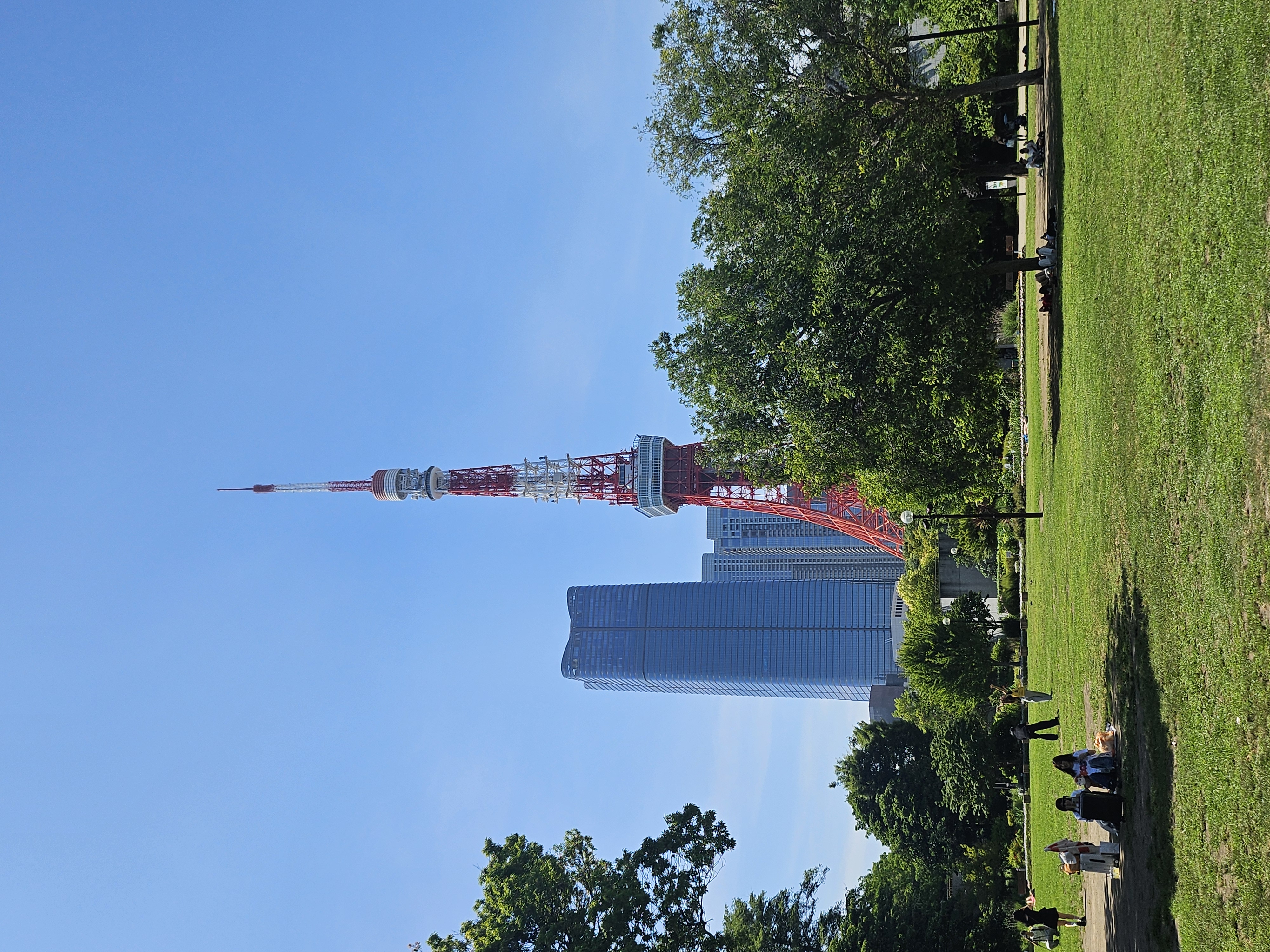 Tokyo Tower: “Revising the past, learning the future.”
I couldn’t have found a better summary of what I experienced during those days.
Traveling for work has given me the good fortune to visit many countries, but Japan is a different experience altogether: immersing oneself in a culture that blends millennia-old tradition with extreme innovation, where every gesture has meaning, and every silence, a message.
This week, once again, I faced the subtle challenges of multiculturalism.
Presenting with simultaneous translation requires constant pauses—not only in the words, but also in the rhythm, in my posture, and in the way I connect with the audience. There are expressions that cannot be translated, others that change in meaning, and some that simply vanish into thin air. All of this is felt in the body, in the energy, and in the intention we put into every sentence.
But I also discovered something very valuable: when the intention is clear, the message gets across. Perhaps not with the same precision, but certainly with the same emotion. The smile at the end of a sentence, the thoughtful gesture, the respect for others’ turn to speak… it all communicates. And that ability to “read the air”—空気を読む, kuuki wo yomu—that the Japanese have for sensing the atmosphere, emotions, and intentions, even without words, struck me as fascinating.
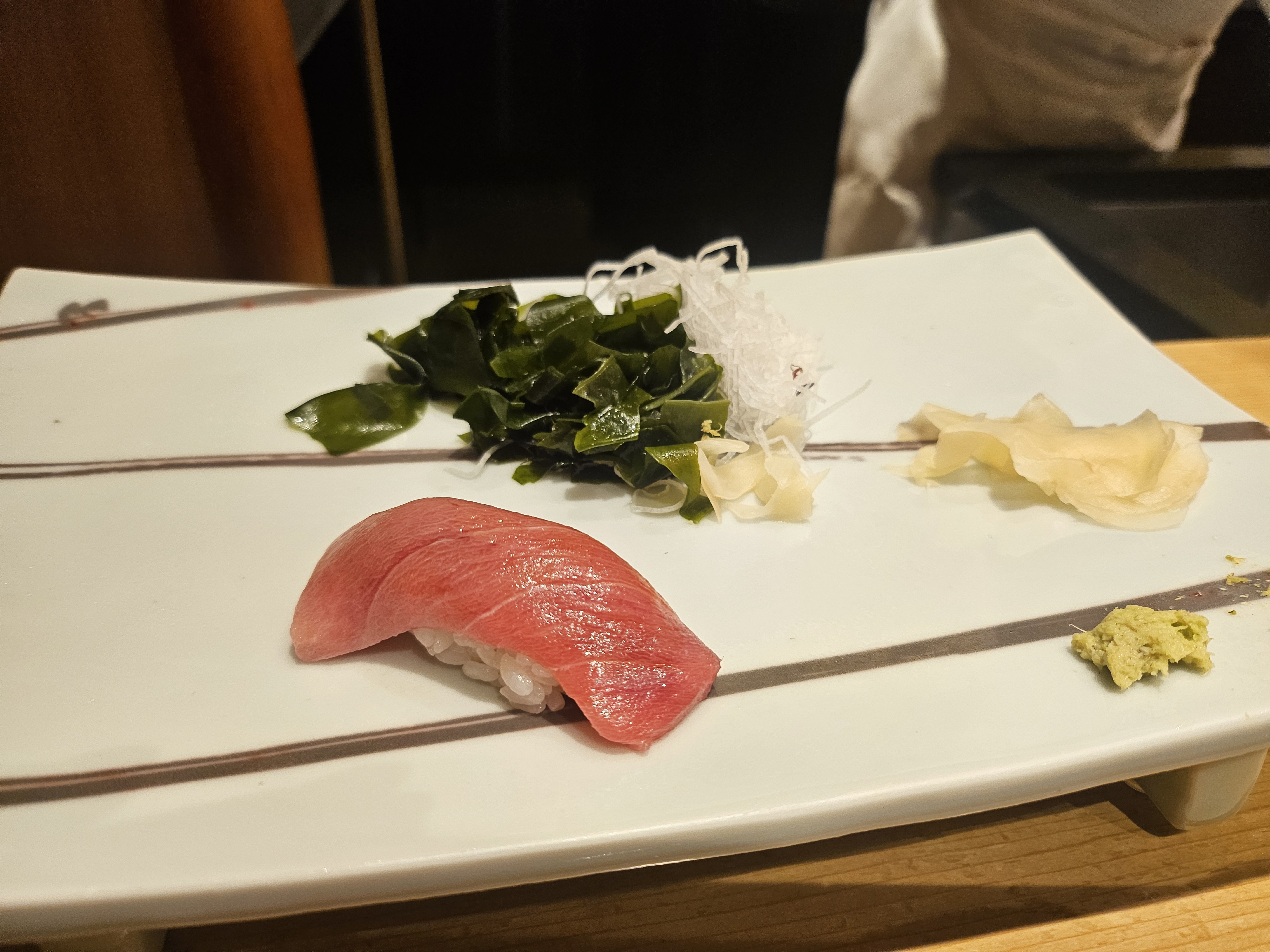 Flavors that teach.
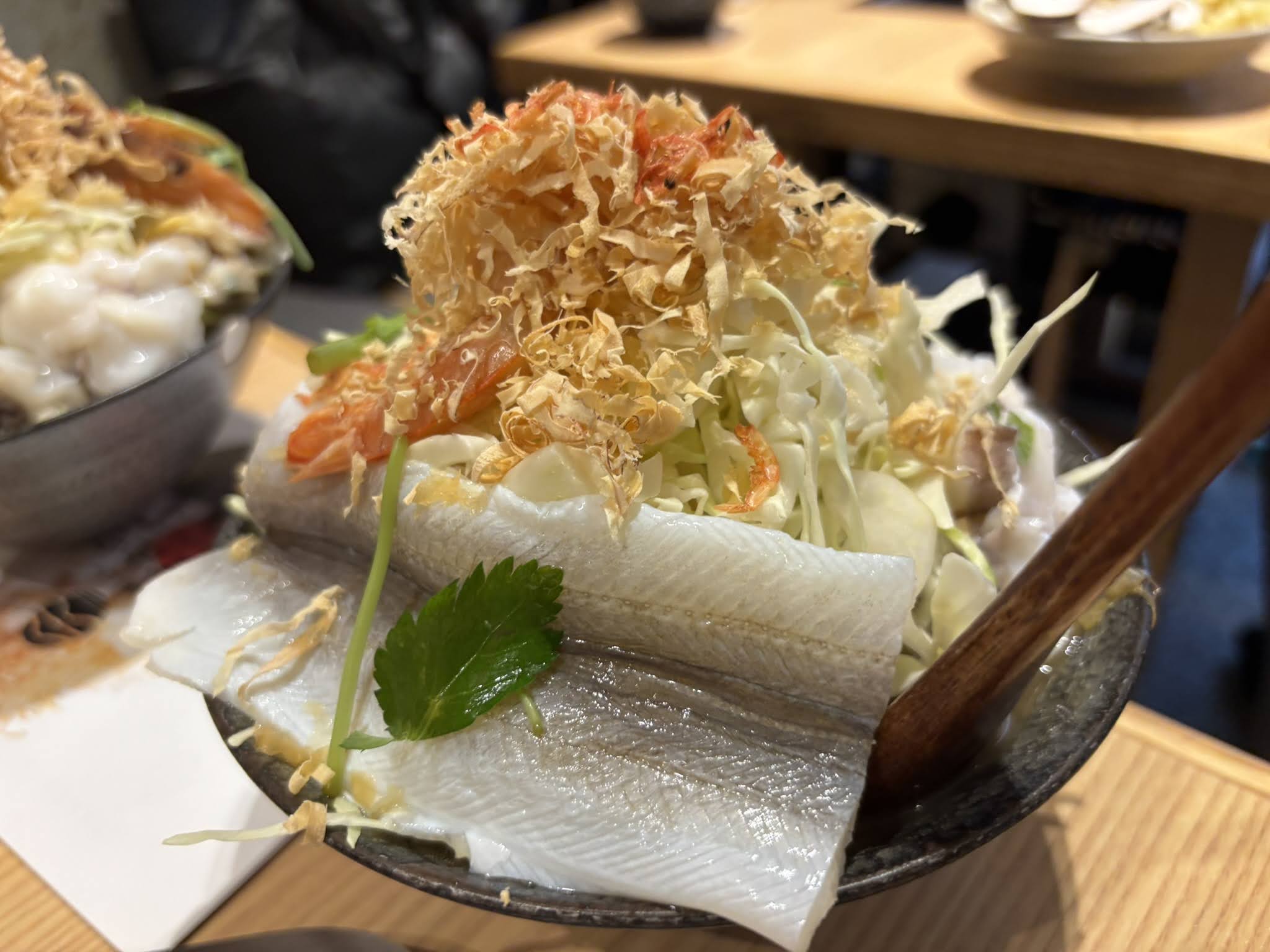 Flavors that move you.
What moved me most was the genuine kindness of every person I met. That hospitality doesn’t require grand gestures, but is reflected in every detail: in how they serve tea, in how they say goodbye, in their sincere concern that you feel welcome, even without a shared language. A genuine concern for the person.
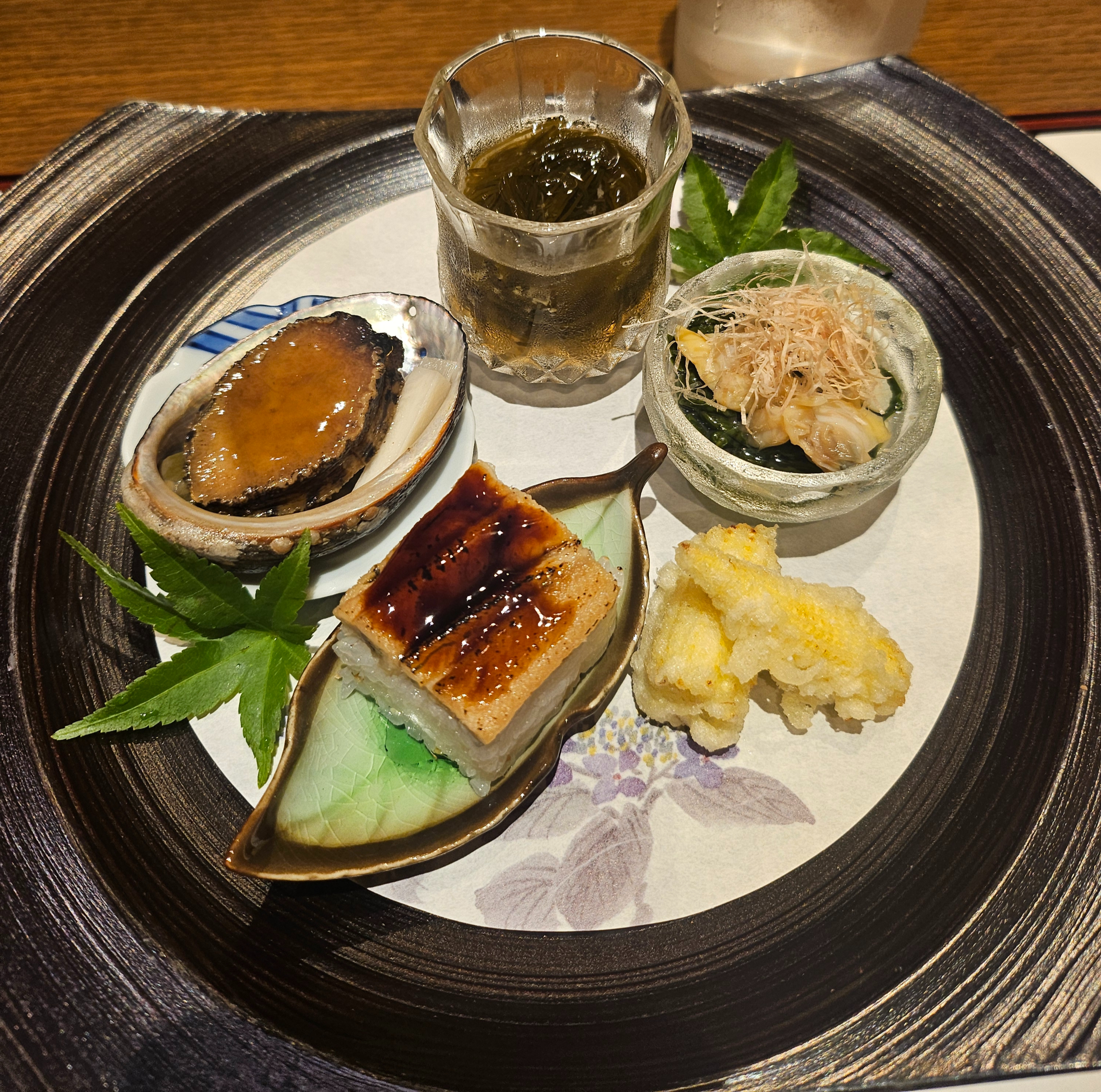 Flavors that surprise.
And what can I say about the flavors? It’s hard to explain them in words: new textures, unexpected combinations, sensations that invited me to learn through my palate. From a classic ramen that warms the soul with its deep, aromatic broth, to umeboshi—that pickled plum that surprises with its tartness and intensity—eating in Japan was, in itself, a lesson in history, aesthetics, time, and dedication.
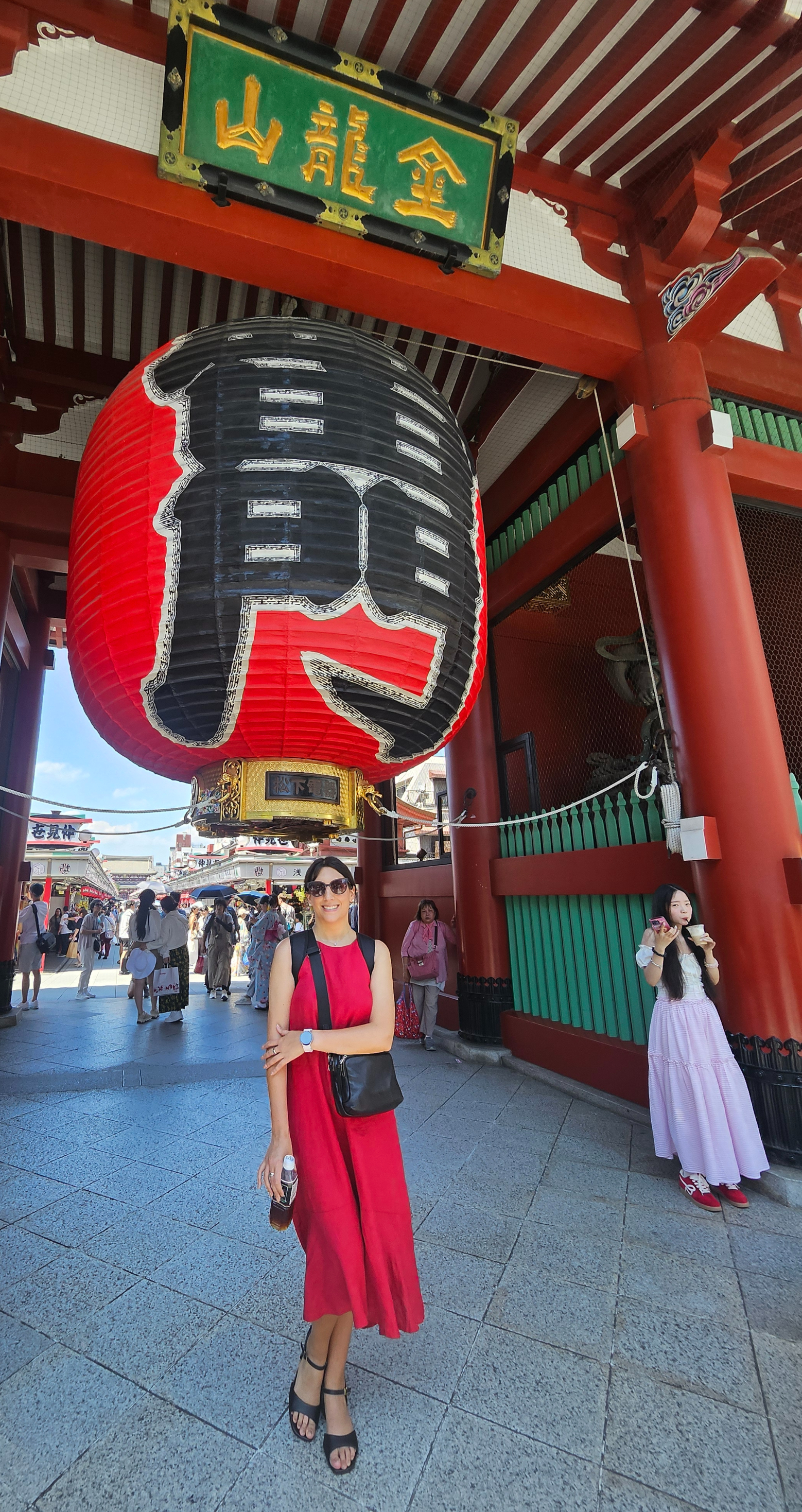 Sensō-ji Temple
Amid all of that, something struck me deeply: seeing a Uruguayan product—WorkWithPlus, created with so much love in the southern hemisphere—being used in Japan for challenging, demanding, world-class projects. I felt a mix of emotion, pride, and gratitude that’s hard to describe. It was like seeing all the effort, passion, and purpose that drive us every day come to life. It reminded me why I love what I do, why I chose this path, and why it’s worth continuing to build bridges—even when they seem far away. And yes, in that moment, my Uruguayan pride soared…and it’s still there, intact.
Because seeing something born in our corner of the world bring value to the other side of the globe is also a confirmation: we’ve got what it takes. Talent, creativity, commitment, vision. From our beloved Uruguay, we can make a real impact, build technology that’s useful, human, and global. And we can do it while cherishing what matters most: people, connections, and purpose.
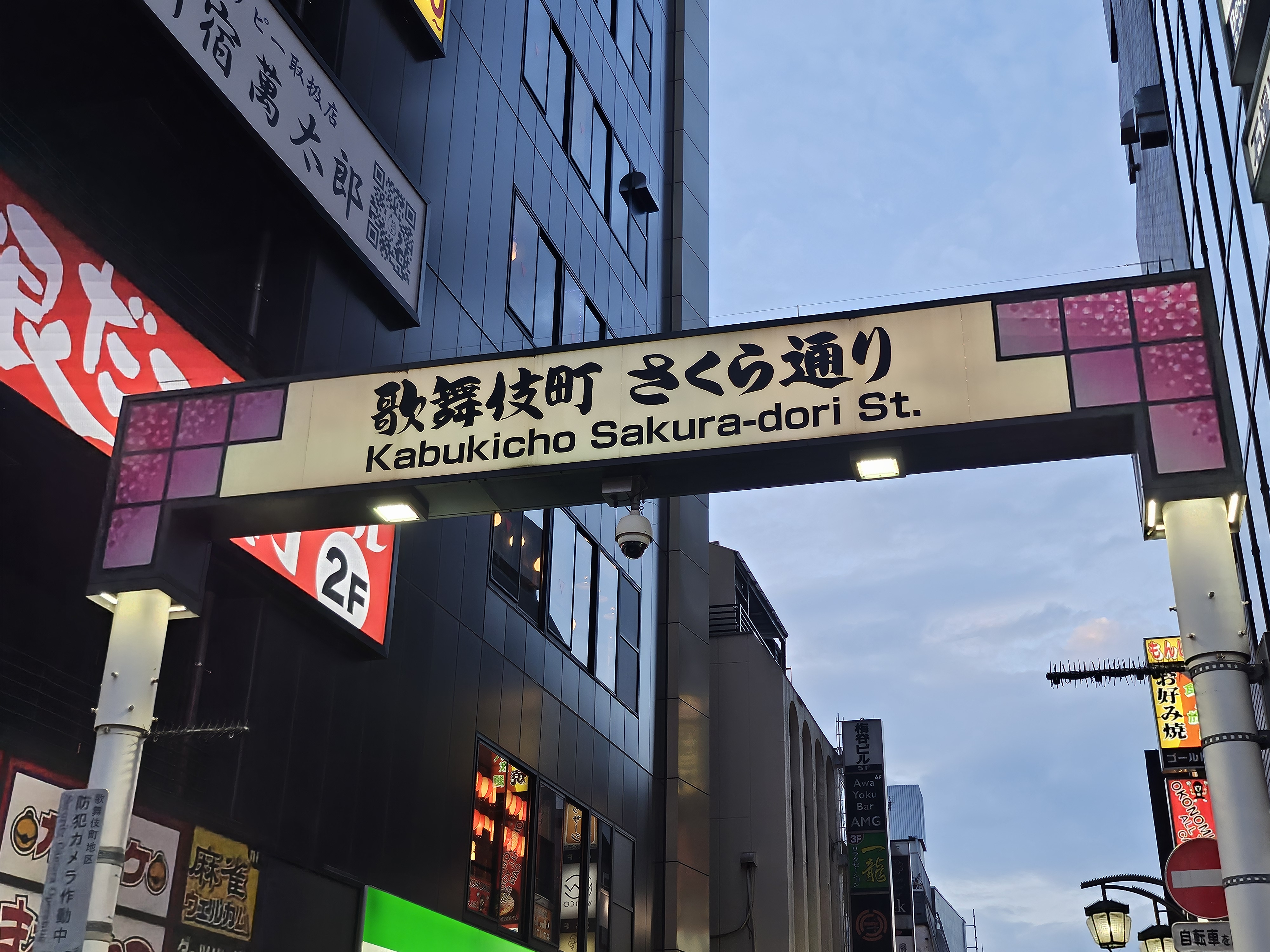 The past and the future in every corner.
I return with my senses filled to the brim, my language a bit tangled, new questions, and the certainty that truly understanding others is an act that requires time, patience, and humility.
Japan taught me that sometimes we must reflect on the past with respect in order to build a meaningful future.